
Forbidden Paradise: How I Used AI to Build a Biblical Reggae Song
Share
Forbidden Paradise: How I Used AI to Build a Biblical Reggae Song
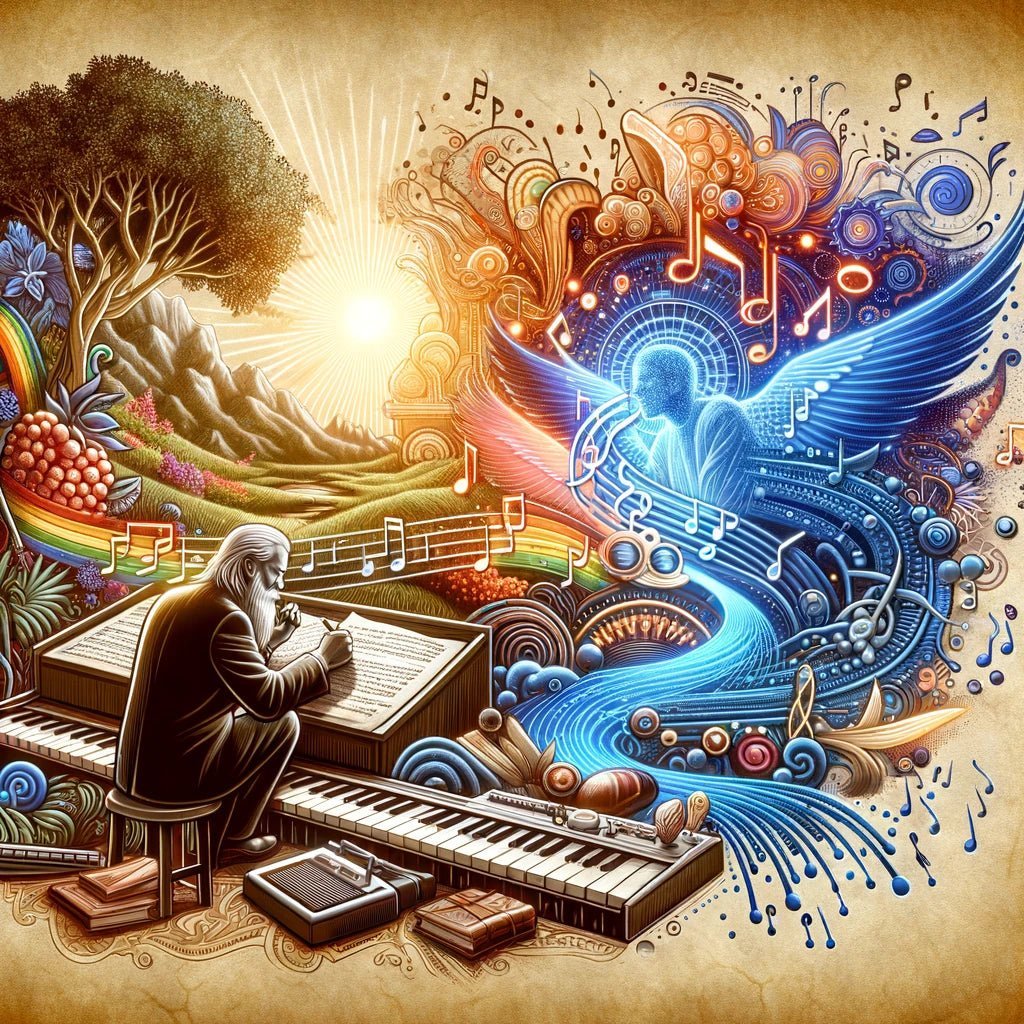
Forbidden Paradise came from a creative question I was already interested in before the technology entered the picture: what would happen if I treated the Garden of Eden as a human story about desire, temptation, knowledge and consequence—and told it through reggae?
AI helped me explore and produce the idea. It did not decide what the song meant, which generations mattered, or when the result finally sounded like Jack Righteous.
The fast answer
The project worked because I separated the creative jobs: define the story, shape the lyrics, generate musical options, listen critically, keep what served the idea, reject what did not, and refine the arrangement until the song carried the intended feeling.
The idea came before the output
The song drew on the biblical Garden of Eden, but I was not trying to write a literal scripture recap. I was interested in the tension inside the story: innocence and curiosity, attraction and restraint, the appeal of the forbidden, and the moment after a choice changes everything.
My Jamaican roots made reggae a natural foundation. The groove gave the song warmth and movement while leaving enough room for the lyric to carry the narrative. That combination—biblical imagery with a contemporary reggae frame—became part of the early identity I was developing as Jack Righteous.
How the 2024 workflow actually worked
I defined the narrative and emotional target
Before chasing generations, I needed to know what the song was trying to say. The central idea was temptation presented as attractive rather than cartoonishly evil. That gave me a clearer standard for judging every lyric and musical choice that followed.
I used GPT tools as writing collaborators
I explored verses, chorus ideas, transitions and biblical imagery with GPT models, then selected and reshaped material around the story I wanted. The important distinction is authorship of direction: generated suggestions were options, not instructions I was obligated to keep.
Suno gave me musical possibilities to audition
In the 2024 version of the workflow, I used Suno to test combinations of reggae, vocal character, instrumentation and mood. I generated alternatives because one plausible output was not enough. I needed comparison before I could make a meaningful creative decision.
I built beyond the first useful generation
Suno's continuation workflow at the time let me extend sections and experiment with how the track moved from one idea to another. That mattered because a song can have a good verse or chorus and still fail as a complete arrangement.
I listened for fit, not novelty
The job became deciding which outputs actually belonged in the same song. Instrumentation, vocal tone, pacing, transitions and the emotional weight of the biblical theme all had to feel coherent. Interesting generations that pulled the track away from its identity were still wrong for the project.
What I was trying to communicate
Temptation should sound tempting
If the music treated desire as obviously dangerous from the opening seconds, the story lost tension. The attraction had to feel credible before consequence could matter.
Biblical imagery needed a human centre
The Garden, fruit and knowledge mattered because they framed choices people still understand: curiosity, longing, intimacy and the cost of crossing a boundary.
Reggae was part of my voice
The genre was not a random prompt ingredient. It connected the experiment to my own musical instincts and helped establish a direction I could continue developing.
Iteration exposed my taste
The more versions I compared, the clearer my preferences became. AI did not remove the need for taste; it gave me more material against which to define it.
Watch the project
This video is preserved as part of the original Forbidden Paradise project record.
What I would tell a creator now
Do not copy the old tool settings from this project and expect them to be a timeless formula. AI music platforms change. The durable part is the decision process: begin with an idea strong enough to judge the output against.
If a generation sounds impressive but does not serve the story, reject it. If the song's emotional turn is weak, identify the problem before asking for another generation. If you cannot explain why one version is better than another, you probably need to define your direction more clearly.
In 2024 I was learning what AI music tools could produce. The more valuable skill became learning what I wanted them to produce—and why.
One project, one useful record
I originally published more than one article around Forbidden Paradise. One focused heavily on the lyrics and release promotion; another focused on the creation process. Years later, keeping both live only divided the story. I have consolidated the useful material here so this page now owns the creator-process case study.
If you want another example of a song evolving because the story demanded a different arrangement, read Blood in the Sand: How an AI-Assisted Cain & Abel Song Evolved.
Need a repeatable way to turn an idea into a finished AI-assisted track?
Start with Find Your Sound. It focuses on creative direction, reference decisions, building the work and finishing intentionally—the same jobs that mattered more than any individual AI feature in this case study.
Originally published during the 2024 development of Forbidden Paradise. Rebuilt and consolidated in August 2026 as a creator-process retrospective. Historical tool references describe the workflow used at that time, not current platform specifications.
