
Jack Righteous Updates: Drops, Tools & Announcements
Find Your Sanctuary With AI Music: A Personal Story-to-Song Exercise
A practical story-to-song exercise for turning a meaningful place, person, memory or ritual into lyrical direction, emotional movement and a clearer AI music prompt.
Find Your Sound • Story to Song • Suno Workflow
Find Your Sanctuary With AI Music: A Personal Story-to-Song Exercise
A meaningful song does not have to begin with a genre prompt. It can begin with a place, memory, person, ritual or moment that makes you feel steadier. This exercise helps you turn that idea of “sanctuary” into clear lyrical and musical direction before you ask an AI music tool to generate anything.
Start With What “Sanctuary” Means to You
For songwriting, a sanctuary does not have to be a church or a literal safe room. It can be the kitchen where your family gathered, a road you drove when you needed space, a person who helped you feel grounded, a prayer routine, a childhood memory or even a small ritual you return to when life gets noisy.
The useful question is not “What sounds inspirational?” It is:
What specific thing makes this place or memory matter to me?
Specificity gives a song something an AI model cannot invent for you: your reason for caring.
The Six-Part Sanctuary Map
Before opening Suno or another music generator, write one or two sentences for each step:
This is a creator workflow, not a mental-health treatment. A song can help you reflect on experience, but creating music is not a substitute for professional support when you need it.
Do Not Skip the Sensory Detail
“Home makes me feel safe” is emotionally valid but lyrically broad. “The kettle clicking off while rain hits the window” gives the listener somewhere to stand.
Try listing five details before writing a chorus:
- one sound from the memory,
- one object you can see,
- one physical sensation,
- one phrase somebody said, and
- one detail that would make no sense to a stranger until the song explains it.
Those details often become better lyric material than starting with rhymes.
Find the Emotional Movement, Not Just the Mood
A song that stays on one emotion can feel flat even when the production is strong. Ask what changes between the first verse and the ending.
For example:
- Beginning: I am overwhelmed and trying to get away from the noise.
- Middle: I remember the place or person that steadies me.
- Turn: I realize the sanctuary did not remove the problem; it helped me face it differently.
- Ending: I carry something from that place back into the world.
Your movement might be completely different. The point is to give the song somewhere to go.
Translate Meaning Into Musical Direction
Now convert the story into musical decisions. Instead of prompting only with labels such as “emotional reggae” or “uplifting soul,” describe the job of the arrangement.
You can then add genre, instrumentation, vocal character and production references that fit your own song. Treat any generated result as a draft. Listen for whether the music actually supports the emotional movement you mapped.
Use AI to Compare Interpretations
One of the most useful things about AI music generation is not getting a finished song in one click. It is hearing several interpretations of the same emotional brief.
Generate alternatives with one meaningful variable changed at a time:
- same lyrics, different tempo;
- same structure, different vocal weight;
- same genre, more restrained chorus;
- same emotional arc, different instrumentation;
- same story, but a more unresolved ending.
Then ask: which version tells my story most accurately? That keeps you in the creative decision-making role instead of accepting the first polished generation.
A Short Case Study: My “Sanctuary” Project
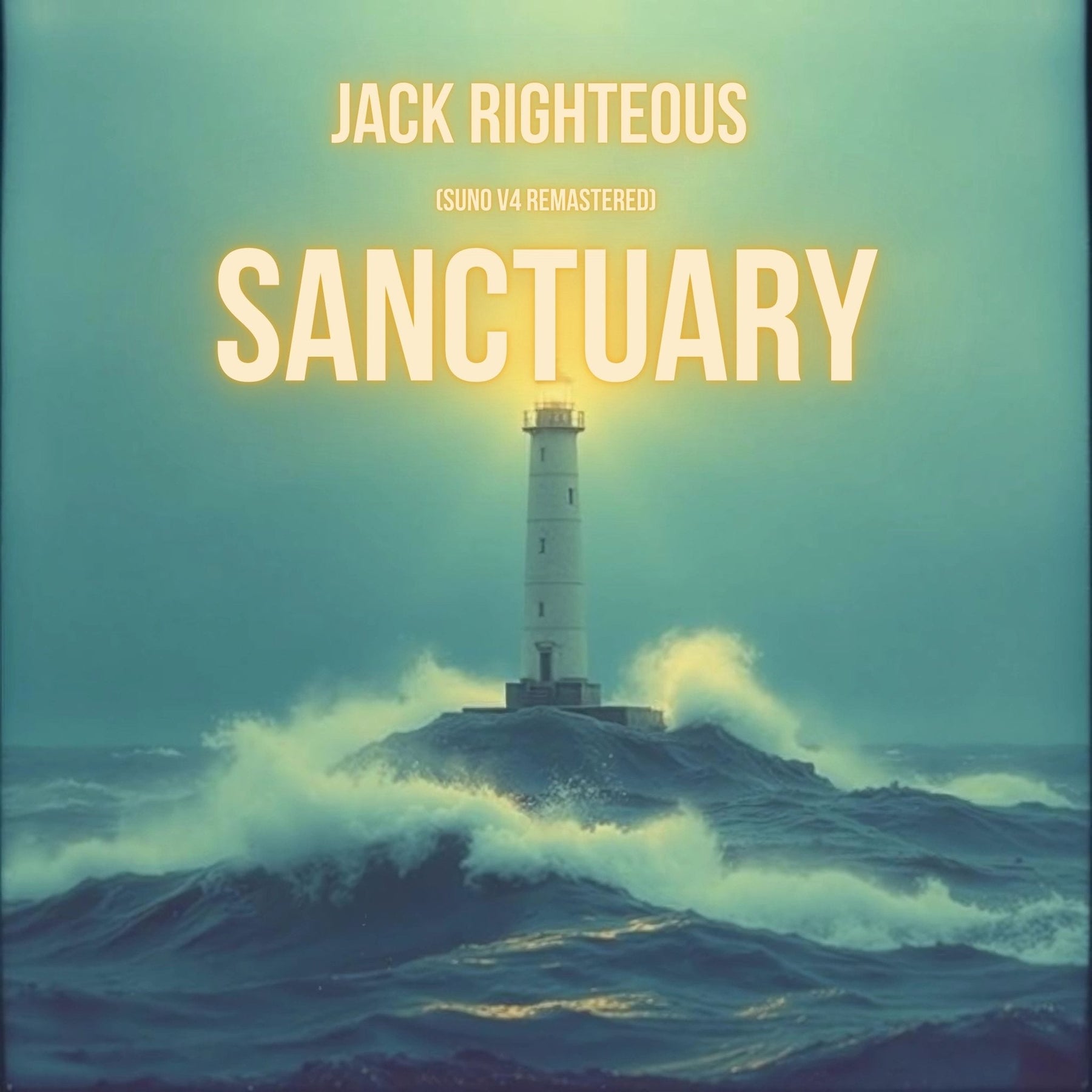
My own Sanctuary project came from personal experience, faith, memory and the need to translate something emotionally important into music. The deeper story belongs in the dedicated article, where it can be handled with the context it deserves.
Read the story behind “Sanctuary”.
What matters for this exercise is the method: the song did not begin as a pile of genre keywords. It began with meaning, then I worked outward toward lyrical choices and sound.
If Your Sanctuary Is Another Person
Personal songwriting can involve someone else's private life. Before publishing, separate what belongs to your story from what belongs to theirs.
- Write from your own experience rather than claiming to know their inner thoughts.
- Change identifying details when privacy matters.
- Do not treat intimacy as automatic permission to publish sensitive information.
- Ask whether the song still works if a private detail is removed.
The emotional truth can survive without exposing everything that made it possible.
Your 15-Minute Sanctuary Draft
- Choose one place, person, memory or ritual.
- Write five sensory details.
- Name the starting emotion.
- Write one sentence explaining why the memory matters now.
- Choose one emotional movement for the song.
- Describe how the music should change as that movement happens.
- Generate a first interpretation and write down what it understood—and what it missed.
That last note becomes your revision brief. You are not merely regenerating. You are directing.
Choose the Next Step by What You Need
If you want the personal story and faith context behind my Sanctuary project:
Read the Sanctuary StoryIf you want to build stronger song direction, prompting and revision skills:
Continue With Find Your SoundCreate What You Love | Love What You Create.
Stay connected to what changes
Do not lose the next useful creator update.
The Righteous Beat connects consequential platform changes, practical tools and new free resources.

Discussion