
Kumbaya Reimagined: History, Faith and an Early AI Music Experiment
Gary WhittakerHISTORICAL CREATOR CASE STUDY · ORIGINALLY PUBLISHED JANUARY 2025
This article preserves an early Jack Righteous AI-music experiment with Kumbaya while correcting the history, separating the traditional song from later arrangements, and replacing the old “recreate a classic” framing with a more careful adaptation method.
Kumbaya Reimagined: History, Faith and an Early AI Music Experiment
Start With the Song Before the Tool
Kumbaya is an African American spiritual with deep roots in Gullah Geechee culture. A key piece of documented history is a 1926 recording made in Darien, Georgia, by folklorist Robert Winslow Gordon of singer H. Wylie. The wording reflects the Gullah expression often rendered as “come by yah,” or “come by here.”
That matters because this is more than a melody that happened to become familiar. It carries a history of prayer, community singing and oral transmission. Later claims of authorship—including claims associated with Reverend Marvin V. Frey—came after evidence that the song was already being sung and documented.
Rights note: the traditional song is old and widely treated as part of a traditional repertoire, but that does not mean every modern arrangement, recording, lyric addition or published version is automatically free to copy. If you plan a commercial release, verify the exact material you are using rather than assuming that “traditional” settles every rights question.
Why This Song Is So Adaptable
The original 2025 article gave a fairly literal recipe—tempo range, key, chord progression and a fixed verse/chorus structure. Those details can be useful as one possible arrangement, but they are not the lesson I would lead with today.
The more durable creator lesson is the song’s function:
- Repetition: the listener learns the central phrase almost immediately.
- Communal space: it works naturally as a group response rather than demanding virtuoso performance.
- Emotional clarity: the plea for divine presence is direct and easy to understand.
- Simple harmonic movement: arrangements can remain sparse or support larger builds without losing the core prayer.
- Room for interpretation: tempo, instrumentation, vocal texture and production can change while the central spiritual intent remains recognizable.
That is the better starting point for an adaptation: understand the job, then build a new musical fingerprint around it.
My 2025 Jack Righteous Experiment
I’m Gary Whittaker, Founder and Operator at JackRighteous.com and the creator behind the Jack Righteous music project. In this early experiment, I used AI music generation to explore what would happen if I brought reggae, dub and electronic production language into a song built around prayer and repetition.
One version kept much of the familiar devotional structure while adding my own reggae-oriented language and arrangement choices:
Intro
Kumbaya.
Kumbaya.
My Lord
Kumbaya.
Oh Jah!
Verse
Somebody singing, Lord, Kumbaya,
Somebody singing, Lord, Kumbaya,
Somebody singing, Lord, Kumbaya,
Oh Lord, Kumbaya.
Added refrain
Kumbaya, mi family near,
Kumbaya, Jah voice we hear.
The production added light percussion, bass movement, instrumental builds and space for the track to move between meditative and more rhythmic sections.
The use of “Jah,” reggae rhythm and Caribbean-influenced phrasing was part of my own spiritual and musical experiment. I would not present those choices as speaking for Gullah Geechee culture, Rastafarian tradition, or any community beyond the specific creative work I made.
The Versions I Documented
- Original Suno version: an early AI-generated interpretation that kept the meditative center while adding modern production. Listen to the original Suno version.
- “Mi Plead” version: a more personal spiritual interpretation. Listen to “Mi Plead”.
- Confident-tone experiment: the original 2025 article listed this as a separate version, but it pointed to the same Suno URL as “Mi Plead.” Until I recover a distinct link, I am not presenting it here as a separately verified recording.
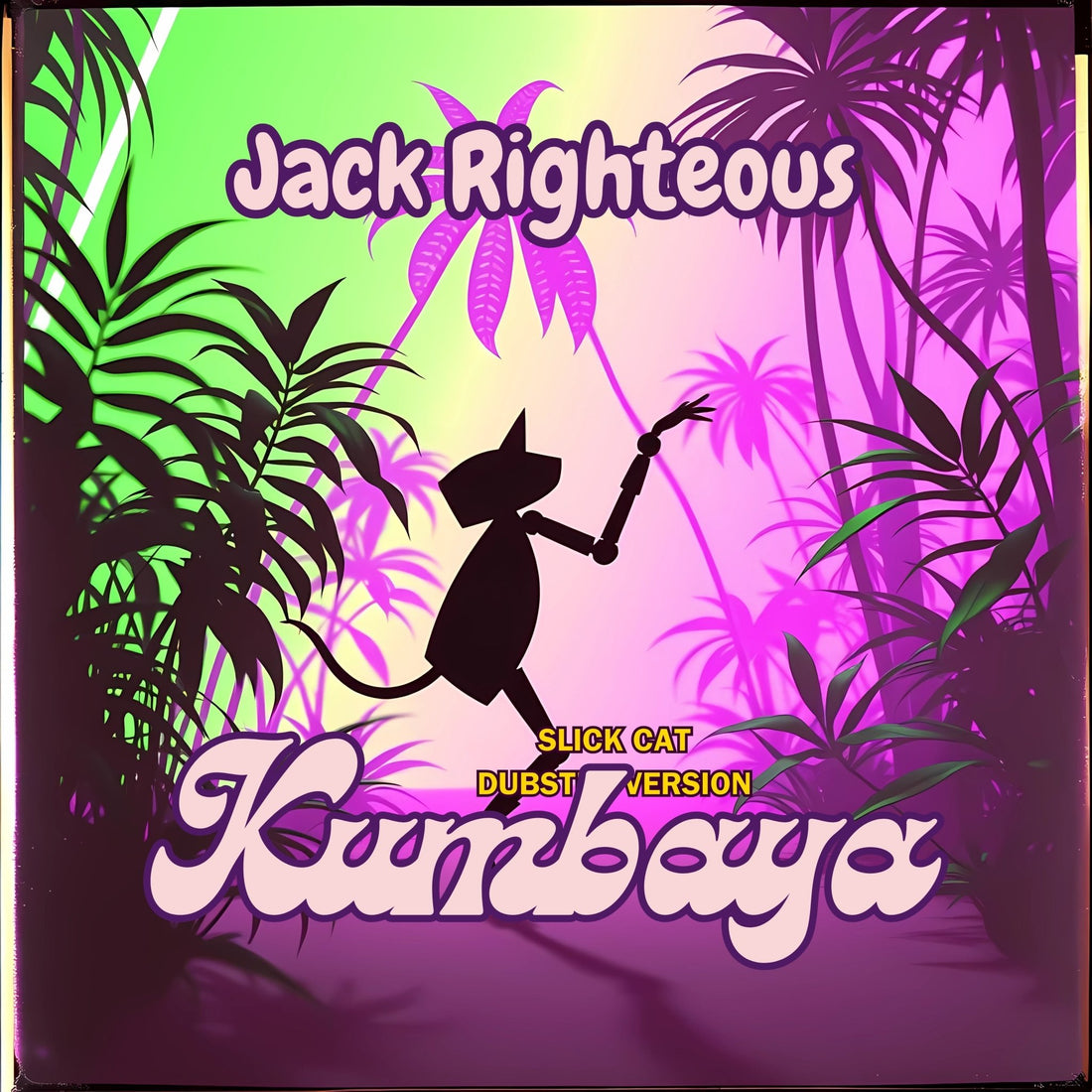
- Slick Cat Dubstep version: an electronic/dubstep branch of the experiment. View the Bandcamp listing.
What Still Holds Up
- Keep the emotional job visible. A new genre should add perspective, not bury the reason the song matters.
- Use arrangement to create contrast. Sparse prayer, bass movement, percussion, vocal layering and instrumental breaks can create a journey without requiring you to rebuild somebody else’s recording.
- Separate source material from your additions. Know what comes from the traditional song and what you wrote, arranged, performed or directed yourself.
- Respect cultural context. A creator can transform material without pretending the new version represents the tradition it came from.
- Document the process. Keep track of your lyric changes, arrangement decisions, generated outputs, edits and final human direction.
What I Would Do Differently Now
The original article was written in the language of “recreating classics with Suno.” That is not how I would teach the work now.
I would use the current operator sequence:
INTENT → CREATE → SCORE → DECIDE → FIX → PACKAGE → PROTECT
- INTENT: decide what you are preserving—the prayer, the communal feeling, the meditative pace, the spiritual message, or something else.
- CREATE: make several genuinely different arrangement directions instead of chasing one reference recording.
- SCORE: judge each version against the emotional and spiritual job, not just technical polish.
- DECIDE: choose whether the result feels respectful, distinctive and worth developing.
- FIX: revise lyrics, vocals, timing, instrumentation and structure where the piece loses its purpose.
- PACKAGE: clearly identify what is traditional, what is newly written and what tools were used.
- PROTECT: verify the rights position of the exact source material, arrangement and recordings before commercial release.
The Bigger Lesson
The most useful thing about this old experiment is not that AI can make a reggae or dubstep version of a familiar song. It is that a creator can start with something culturally and spiritually meaningful, identify what must survive the transformation, and then make deliberate choices about what changes.
That principle still holds whether the tool is Suno, another AI music platform, a DAW, live musicians, or a combination of all of them.
Keep the meaning. Build your own version.
For current Suno workflows, use the Suno AI Music Guides hub. If you are still deciding which music workflow or tool fits the job, start with the broader AI Music & Audio Hub.
Gary Whittaker
Founder and Operator, JackRighteous.com
