
Mont-Real Geschichten: Glaube, Kultur & Schöpferleben
Family Bible Quiz: 10 Questions About Esther, Paul, Peter and More
A family-friendly Bible quiz with Questions 31–40 covering Esther, the fiery furnace, Paul, Mary, Samuel, Jesus calming the storm, Solomon, Peter, Zacchaeus and Abraham—plus Scripture references, careful context and discussion prompts.
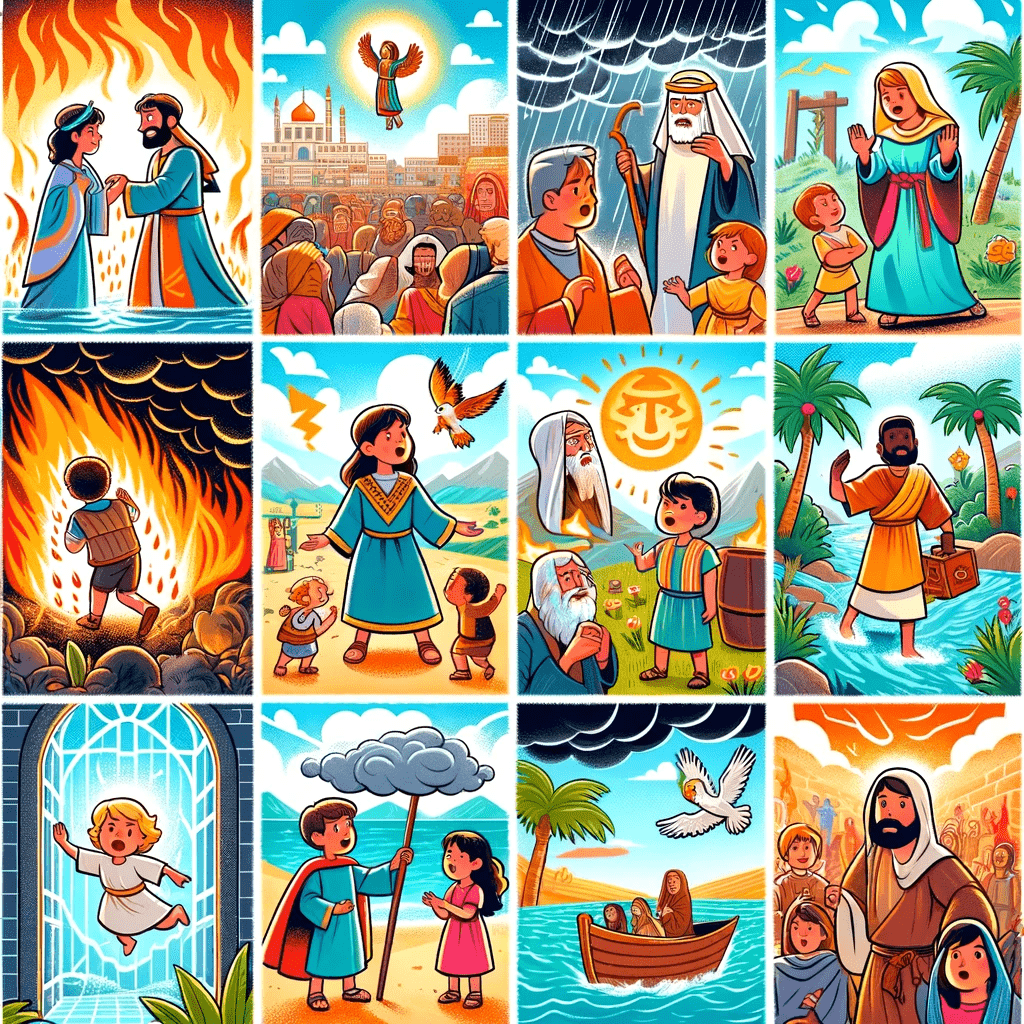
Family Bible Quiz • Questions 31–40
Family Bible Quiz: 10 Questions About Esther, Paul, Peter and More
This set continues the family Bible quiz with ten questions from Esther, Daniel, Acts, Luke, 1 Samuel, Mark, 1 Kings, Matthew and Genesis. The goal is not only to get the short answer right, but to read enough of the surrounding passage to understand what the story is actually doing.
How to Use This Quiz
Ask the question first without giving hints. After someone answers, read the listed passage together. Then use the context note and discussion question to move beyond trivia. You do not need to finish all ten questions in one sitting.
Question 31
Who became queen and later risked approaching the king on behalf of her people?
Read: Esther 2:17; Esther 3–5; Esther 7–9.
Context: Esther's story is larger than a royal promotion. Haman's plan threatens the Jewish people throughout the Persian Empire, Mordecai urges Esther to consider her responsibility, and Esther approaches the king despite the danger. The book ends by explaining the origin of Purim as a remembrance of deliverance.
Question 32
Which three men were thrown into a blazing furnace after refusing to worship the king's image?
Read: Daniel 3:8–30.
Context: Their refusal is an act of loyalty to God under imperial pressure. Before they are thrown into the furnace, they say God is able to rescue them, but they also refuse to worship the image even if rescue does not come. That matters: Daniel 3 is not a promise that faithful people will always be physically protected from harm.
Question 33
Who encountered the risen Jesus while traveling toward Damascus to arrest Jesus' followers?
Read: Acts 9:1–22; Acts 13:9.
Context: Acts calls him Saul during the Damascus-road event. Later the text says “Saul, who was also called Paul.” The Bible does not present this as a simple name-change ceremony at conversion. His transformation is about a persecutor becoming a witness to Jesus and joining the community he had opposed.
Question 34
Who was told by the angel Gabriel that she would give birth to Jesus?
Read: Luke 1:26–38.
Context: Luke places the announcement within Israel's hopes and God's promise concerning David's throne. Mary asks how the announcement can happen, receives an answer, and then responds in willing trust. Reading the whole scene keeps the moment from becoming a vague slogan about humility.
Question 35
Which young servant repeatedly heard his name called at night and at first thought Eli was calling him?
Read: 1 Samuel 3:1–21.
Context: Samuel does not immediately recognize God's voice. Eli eventually understands what is happening and instructs Samuel how to respond. The message Samuel then receives is difficult judgment concerning Eli's household, so the chapter is about learning to hear and faithfully carry a hard word—not merely receiving a comforting personal calling.
Question 36
Who rebuked the wind and sea during a dangerous storm on the Sea of Galilee?
Read: Mark 4:35–41.
Context: The miracle does calm the storm, but Mark ends with the disciples asking, “Who then is this?” The story therefore points beyond relief from danger toward Jesus' identity and authority. It should not be reduced to a promise that every crisis will become calm as soon as someone has enough faith.
Question 37
Which king judged the dispute between two women who both claimed the same living child?
Read: 1 Kings 3:16–28.
Context: Solomon's proposal to divide the child exposes which claimant is willing to surrender her claim to keep the child alive. The threatened division is a judicial test within the story, not a model for resolving ordinary family disputes. The larger chapter connects the judgment to Solomon's request for wisdom to govern.
Question 38
Which disciple stepped out of the boat and briefly walked on the water toward Jesus?
Read: Matthew 14:22–33.
Context: Peter does walk toward Jesus, then becomes afraid, begins to sink and cries out for rescue. Jesus catches him. The scene contains courage, fear, failure and rescue together; reducing Peter to either a hero of perfect faith or a symbol of doubt misses the movement of the story.
Question 39
Which chief tax collector climbed a sycamore tree because he wanted to see Jesus?
Read: Luke 19:1–10.
Context: Zacchaeus is not simply a short man in a tree. Luke identifies him as a wealthy chief tax collector, a role associated with Rome's tax system and public suspicion. After Jesus comes to his house, Zacchaeus speaks about giving to the poor and repaying people he has defrauded. The story connects welcome with concrete change.
Question 40
Who was called to leave his country and family household for a land God would show him?
Read: Genesis 12:1–9; Genesis 17:1–8.
Context: Genesis 12 begins a major biblical storyline involving land, descendants, blessing and God's purpose to bless the families of the earth through Abram. The call should not be turned into a formula that every risky personal decision will receive material reward. It belongs to Abraham's particular covenant story.
What These Ten Questions Teach Beyond Trivia
This set repeatedly shows why context matters. Esther's courage grows inside political danger. The furnace story includes faith without a guarantee of rescue. Paul's transformation includes community and changed action. Samuel needs guidance before he recognizes the call. Peter's story includes both trust and fear. Zacchaeus demonstrates change through restitution.
A simple family study habit:
Observe → Context → Question → Faithful Response
First notice what the passage actually says. Then identify the larger situation. Ask what the story reveals about God, people or faithful living. Only after that should you discuss how it might shape your own choices.
Continue the Family Bible Quiz
Want to Study the Bible Beyond the Quiz?
Use Righteous Kingdom for the broader biblical-study path, where individual passages can be explored with more attention to context, theology and how different parts of Scripture connect.
Create What You Love | Love What You Create.
Continue the wider investigation
Technology is also about control, resources and human consequences.
Continue through Tech Culture & Power for connected reporting on infrastructure, ownership and public impact.

Discussion